
Two Distinct Approaches: Fin vs Zendesk AI for Customer Support in 2026
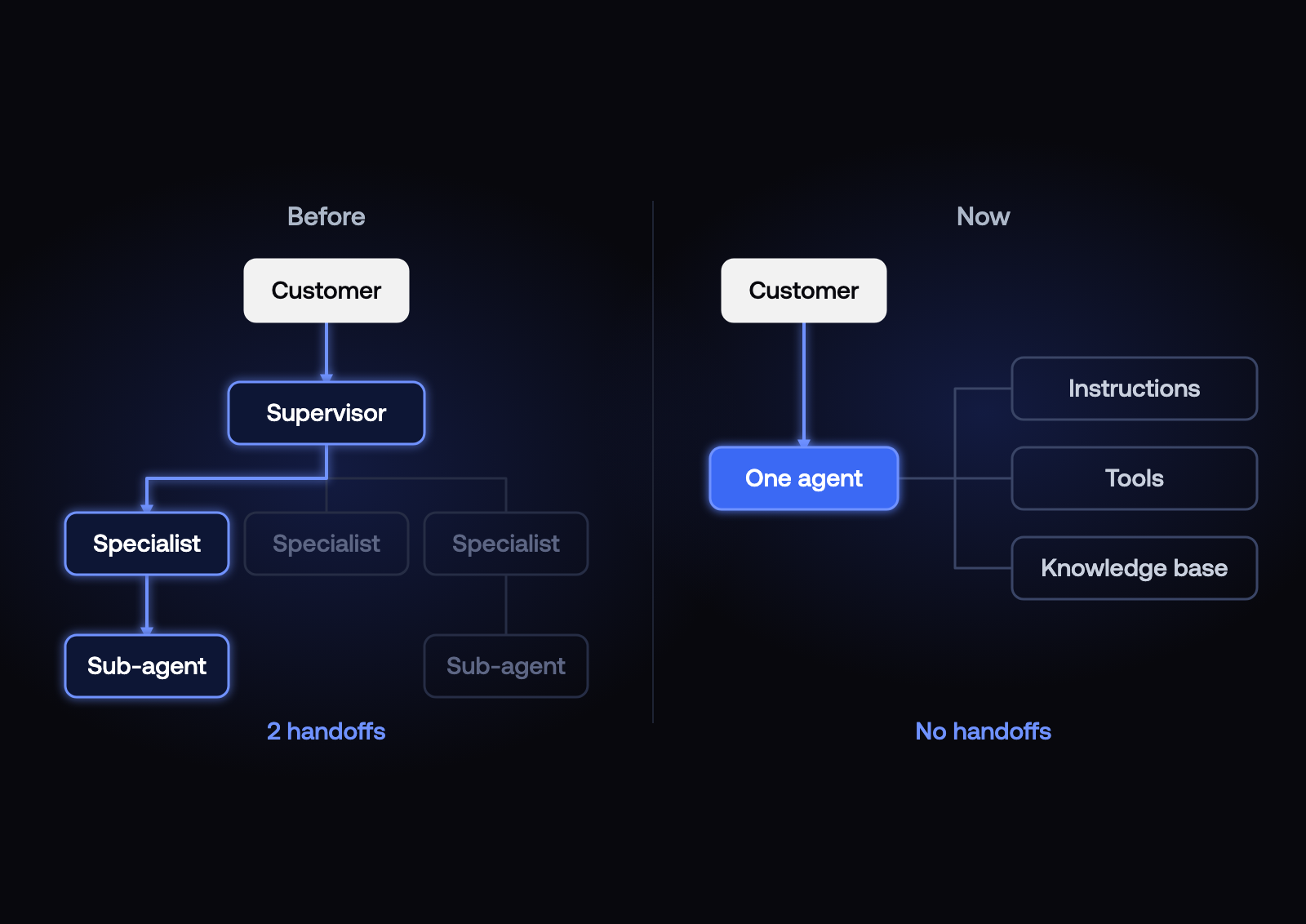
If you’re evaluating Fin versus Zendesk AI for your customer support, you’re likely weighing two fundamentally different models. Intercom’s Fin operates as an AI agent that charges per resolved issue, using an outcome-based pricing structure. You can implement Fin across your existing technical stack or within the Intercom platform itself. In contrast, Zendesk AI integrates artificial intelligence throughout its suite, delivering agent assistance, automated triage, bots, and strong governance features. Both systems are designed to take on essential, customer-facing roles at the forefront of your support operations, directly interacting with customers and resolving queries.
Before selecting the best tool, it’s crucial to assess your channel mix, the complexity of your support tickets, and your compliance requirements. Establish success metrics early; key indicators such as first response time, resolution cost, and the acceptance rate of AI-generated suggestions are strong starting points. For further insights into optimizing response speed, refer to seven proven ways AI shortens first response time.
Fin vs Zendesk AI: Pricing Models and Cost per Resolution
Fin employs outcome-based pricing: you are only charged when the AI successfully resolves a customer interaction or issue. Specifically, Fin costs $0.99 per resolved conversation; if Fin fails to resolve the request, you do not pay.
For organizations deploying Fin outside of the Intercom suite, Fin for Platforms starts at $49 per month for 50 resolutions, with subsequent resolutions billed at $0.99 each. Unlimited team members can use the tool, and minimum commitments apply.
Zendesk AI follows a seat-based pricing approach. Zendesk Copilot is priced at $50 per agent per month, billed annually. Additional features such as Zendesk Quality Assurance and Workforce Management cost $35 and $25 per agent per month respectively. Pricing for advanced AI agents is available upon request.
Cost Breakdown Example: 25‑Agent Team
- If Fin resolves 3,000 out of 10,000 monthly tickets, the Fin charges would total approximately $2,970.
- If a 25-agent team uses Zendesk Copilot, the charges would be approximately $1,250 per month.
These figures do not incorporate basic platform fees or telephony costs. Make sure to take a combined view of expenses, platform seats, AI add-ons, and automation-related volumes. Align this with cost per resolution as a KPI so both finance and support teams evaluate value with the same criteria.
Fin vs Zendesk AI: Capabilities and Ideal Use Cases
Where Intercom Fin Excels
- Knowledge orchestration: Fin constructs answers by aggregating information from multiple sources and a centralized knowledge base.
- Agentic workflows: Fin Tasks and Procedures enable it to handle complex, multi-step processes like refunds or cancellations.
- Language and vision capabilities: Fin automatically detects and responds in over 45 languages, and can interpret screenshots to resolve queries more quickly.
- Flexible deployment: Use Fin across chat, email, social channels, and also integrate it within third-party helpdesks, such as Zendesk.
Where Zendesk AI Excels
- Agent assist within Agent Workspace: Copilot offers real-time reply suggestions, summaries, and enhances agents’ writing directly in their workspace.
- Intelligent Triage: Zendesk AI automatically classifies customer intent, language, and sentiment, streamlining and automating ticket routing based on these factors.
- Quality assurance and staffing analysis: Integrated QA and Workforce Management add-ons deliver integrated scoring, forecasting, and scheduling tools.
- Microsoft ecosystem integration: Zendesk’s tie-in with Microsoft 365 and Agent 365 makes it an ideal fit for enterprises seeking compliance and audit-readiness.
In summary, choose Intercom Fin when scalable, outcome-based pricing and advanced multilingual or vision capabilities are priorities. Zendesk AI is preferable for organizations wanting seat-based AI assistance, operational governance, and robust QA/workforce management embedded within the agent workflow.
Fin vs Zendesk AI: Impact on Speed, Consistency, and Customer Expectations
Two important market signals should guide your 2026 planning. First, according to Gartner, 85% of customer service leaders are likely to test or deploy conversational GenAI solutions for customer-facing roles by 2025. Your competitors and peers are moving fast.
Next, Zendesk’s 2025 CX Trends report reflects rising expectations: 73% of agents report that an AI copilot would improve their performance, while 63% of customers are now willing to switch brands after just one poor experience, a figure that’s growing annually.
Both tools enhance response speed, with Zendesk’s intelligent triage removing 30 to 60 seconds of manual processing per ticket through automated classification. At scale, these micro-efficiencies deliver substantial gains.
For practical examples of using AI to reduce wait times, explore this step-by-step guide to shortening response time. Benchmark your pre- and post-AI rollout results across all channels to quantify improvements.
Fin vs Zendesk AI: Integration, Governance, and Data Usage
Both Intercom Fin and Zendesk AI provide enterprise-level controls and governance options. With Fin, you can restrict knowledge sources, customize tone, and clearly define handoff protocols. Zendesk AI operates within a mature governance model, including native QA assessment and workforce planning features. If your environment is built around Microsoft 365, Zendesk’s Agent 365 and Copilot integrations may streamline adoption within your existing compliance framework.
Fin is also designed for interoperability, working with Zendesk or Salesforce helpdesks without requiring Intercom user seats. This is particularly suited to teams seeking an autonomous AI layer on top of an established helpdesk, while maintaining a resolution-based pricing model in these deployments.
Key Metrics to Track After Implementation
- Automation and deflection rate: Measure the percentage of tickets resolved by AI without agent intervention, categorized by issue type.
- First response time and time to first action: Chart differences before and after deployment across channels.
- Cost per resolution: Aggregate platform fees, AI usage, telephony, and training costs, monitor with a rolling average.
- Quality indicators: Assess CSAT scores, AI-generated quality evaluations, and follow-up (recontact) rates.
- AI suggestion acceptance: If using agent assist, monitor how often AI-generated drafts are accepted by agents.
Focusing on these KPIs aligns leadership on outcomes and helps move the conversation beyond feature lists. For additional clarity on financial assessment, see what cost per resolution means and how to use it.
Alternatives to Fin and Zendesk AI You Should Also Consider
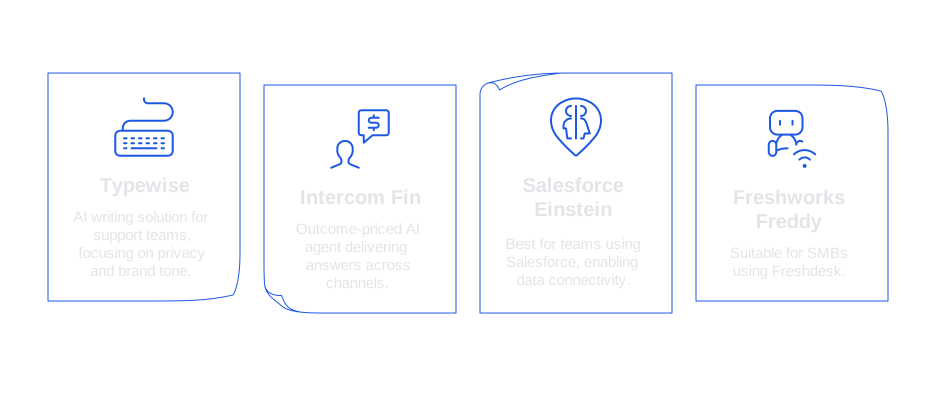
While the choice between Fin and Zendesk AI is significant, you’re not limited to just two options. A wider consideration of alternatives may reveal a solution better suited to your team size, tech stack, or privacy requirements. For a thorough analysis, read our comprehensive comparison of top Zendesk alternatives.
- Typewise. An AI writing solution for support and success teams, compatible with CRM, email, and chat systems. Its focus is on privacy, customizable brand tone, and improved agent drafting across your native helpdesk environment.
- Intercom Fin. An outcome-priced AI agent delivering answers and actions across diverse channels and platforms.
- Salesforce Einstein for Service. Best for teams tightly integrated with Salesforce, enabling native data connectivity and automation.
- Freshworks Freddy. A suitable choice for SMBs and mid-market organizations using Freshdesk.
Decision Guide: Choosing Between Fin and Zendesk AI
Choose Fin If:
- You prefer variable, outcome-based pricing tied to successful resolutions.
- Your support team requires an AI agent that integrates seamlessly with Zendesk or Salesforce without added seat requirements.
- You value image recognition and built-in multilingual capabilities.
Choose Zendesk AI If:
- You want seat-based AI assistance along with governance, quality assurance, and workforce management features.
- Microsoft 365 forms the backbone of your operational and compliance environment.
- You plan to standardize the deployment of AI copilots across all human agents to enhance agent workflows at scale.
Consider a Hybrid Approach
- Run Fin for autonomous resolution capabilities on your Zendesk instance.
- Retain Zendesk Copilot for agent assistance and workflow insights.
- Create clear routing and handoff rules to avoid process conflicts and feedback loops.
Keep in mind: Gartner forecasts that by 2026, machine customers will drive a substantial share of inbound contact volume. Ensure your routing and authentication strategies are forward-looking.
Implementation Tips to Reduce Risk and Maximize Value
- Begin with automating two high-volume, low-risk intents.
- Pilot the solution on a single channel before expanding to others such as voice or social media.
- Draft escalation procedures that prioritize customer safety over speed.
- Manually review 100 automated outcomes per week during stabilization.
- Distribute weekly scorecards tracking first response time, deflection rates, and follow-up contacts.
A strong launch process will quickly lower your response times and ensure consistent quality for customers. For urgent scenarios, keep a crisis response tone guide available to maintain clear and effective communication.
Conclusion: Final Thoughts on Fin vs Zendesk AI for Your Support Roadmap
Choose Intercom Fin when you need scalable, outcome-based pricing with robust multilingual and knowledge synthesis features. Opt for Zendesk AI when you want unified agent assistance, built-in quality assurance, and workforce management within a single suite. Many support organizations will benefit from a hybrid model, delivering coverage for both straightforward and complex customer journeys.
If your primary need is drafting quality and on-brand communications inside your existing tools, consider Typewise. Our AI writing assistant seamlessly integrates with CRM, email, and chat platforms, keeping privacy as a core value. Reach out at typewise.app for a straightforward, no-pressure conversation about how we can help you succeed.
FAQ
How does Intercom's Fin AI pricing compare to Zendesk AI's pricing model?
Intercom's Fin operates on outcome-based pricing, charging per resolved issue, which can lead to cost unpredictability. Zendesk AI uses a seat-based model, offering more predictable expenses but potentially higher costs for large teams. Consider your resolution volume to decide what suits your budget better.
What are the strengths of Intercom's Fin AI in customer support?
Fin excels in handling complex tasks with agentic workflows and offers advanced multilingual capabilities, making it suitable for global operations. It also integrates smoothly across various channels, including third-party helpdesks, providing flexibility in deployment.
When is Zendesk AI more advantageous than Intercom's Fin?
For organizations emphasizing governance, quality assurance, and integration with Microsoft 365, Zendesk AI holds the edge. Its seat-based model is ideal if you’re integrating AI across all agents for enhanced workflow and compliance.
Can businesses use both Fin and Zendesk AI together?
Yes, a hybrid approach can leverage Fin for autonomous resolutions and Zendesk Copilot for agent assistance. Ensure clear handoff rules to prevent process conflicts and maximize AI potential across operations.
What integration considerations should be made when deploying AI in customer support?
Both Fin and Zendesk AI offer integration capabilities, but the choice should align with your existing tech environment, like Microsoft 365 for Zendesk. Evaluate your current stack to avoid costly disruptions and ensure seamless adoption.
What roles do KPIs play in assessing AI for customer support?
Key performance indicators (KPIs) offer a quantitative framework to evaluate AI effectiveness, covering metrics like cost per resolution and response times. Without such metrics, you risk subjective assessments that can lead to misguided strategies.
How does Typewise differ from Fin and Zendesk AI?
Typewise focuses on AI-enhanced writing solutions that improve communication quality within existing platforms. It's designed for teams prioritizing privacy and brand tone, unlike Fin and Zendesk’s broader operational focuses.