

AI support in regulated industries for finance, health, and insurance needs more than a chatbot
Chat interfaces alone do not meet regulatory risk. Finance, health, and insurance teams need accountable AI. The system must explain itself, respect data boundaries, and hand off cleanly. Your customers expect speed. Your auditors expect proof.
Think of the AI system as a well-briefed concierge: it understands the customer and the regulations. It works across chat, email, WhatsApp, voice, and internal tools; it documents every step; and it integrates with your CRM, helpdesk, and ERP. In 2026, that is the baseline for advanced deployments.
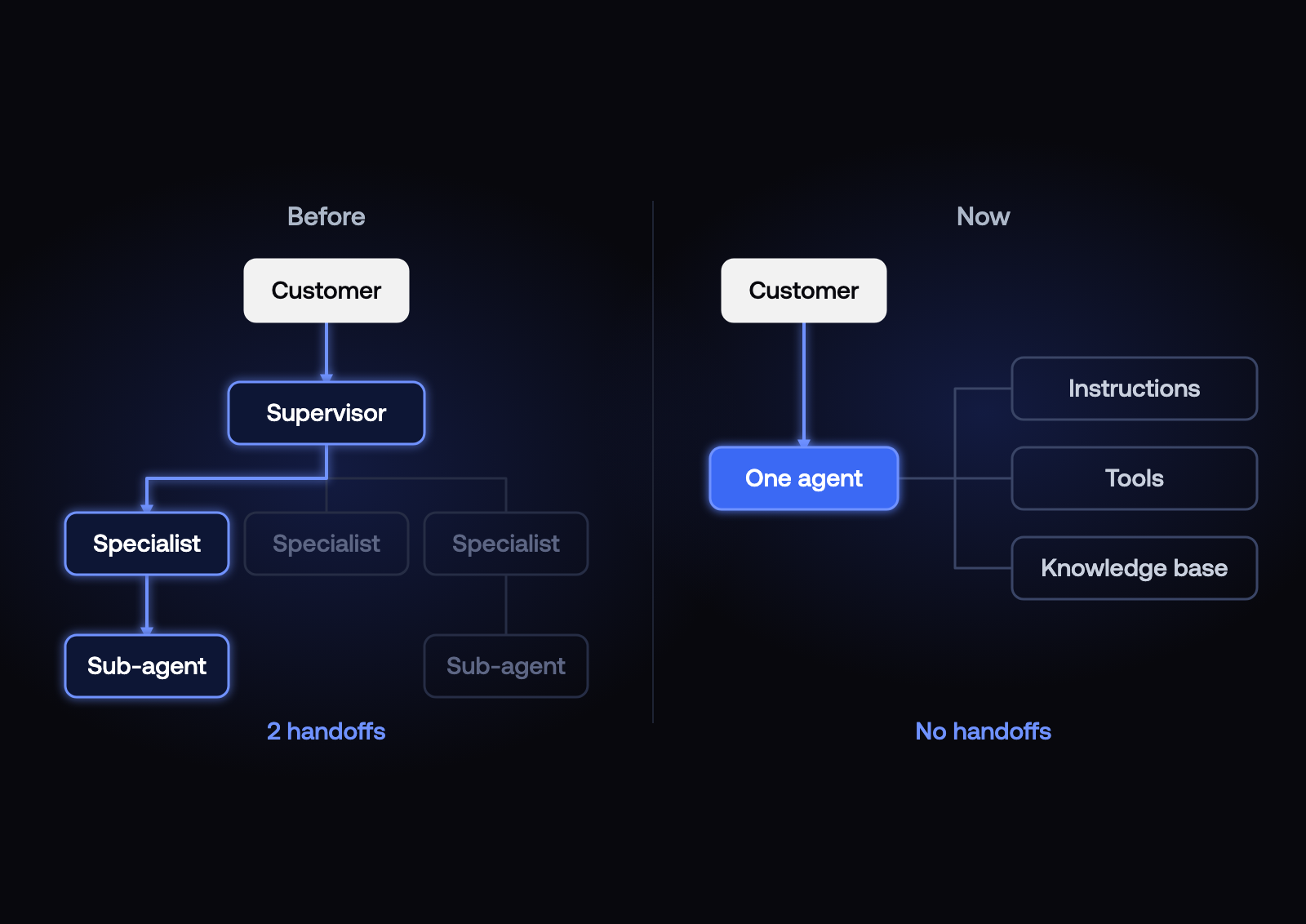
Typewise approaches this as an AI-native customer operating system. You configure policies in natural language, no flow builders. When an edge case appears, it hands off to a human with full context. It runs on European hosting for data residency needs. Pricing ties to outcomes, not seat counts.
Regulatory expectations for AI support in finance, health, and insurance require clarity and auditability
Regulation touches every message and action. Banking faces the Payment Card Industry Data Security Standard (PCI DSS), a set of security standards governing cardholder data, alongside conduct rules for advice. Health sees HIPAA and local health privacy laws. Insurance faces claims handling standards and model governance duties. Auditors ask the same questions: What did the system know? Why did it act? Who approved it?
Build your policies as explicit instructions the AI can follow. Write them in language your compliance team accepts. Then log the prompts, decisions, citations, and redactions. Store them with immutable timestamps. Your review team should reconstruct any conversation in minutes.
For European teams, align your customer service workflows with GDPR duties. See this practical guide on a GDPR compliance checklist for AI customer service. It maps roles, retention, and subject rights to daily support tasks.
policy: do not collect diagnosis details unless the case requires it. ask for consent. reference policy HIPAA-INT-07.
Data governance for AI support in regulated industries demands strict boundaries and redaction
Trust begins with data minimization. Train on internal knowledge without moving raw PII or PHI into vendor models. Segment environments by business line and region. Mask sensitive strings in transit and at rest. Keep prompts and outputs free from unnecessary identifiers.
To preserve privacy, apply redaction before the AI performs inference (generation or analysis), not afterward. Detect names, account numbers, claim IDs, and card data, and replace them with typed placeholders. Rehydrate only where your downstream system requires it. This keeps training artifacts clean and reduces blast radius.
If you need a playbook, review this real-time PII redaction guide. It explains how to keep sensitive data out of long-term memory and logs.
Human-in-the-loop and audit trails for AI support in finance, health, and insurance
In regulated domains, AI should not act alone for high-risk steps. Require approvals for refunds, claim denials, or medical guidance. Define thresholds. If the AI’s confidence or policy match drops, it must escalate.
Every escalation should carry full context. Include the customer timeline, suggested answer, policy references, and redaction notes. Humans take faster, safer decisions when they see structured evidence.
Your audit surface must be clean. Record prompts, drafts, verifier outcomes, and changes by human agents. Use deterministic versioning for prompts and policies. This supports internal audits and external requests.
For a repeatable method, read this walkthrough on how to audit AI customer support conversations. It covers sampling, scoring, and remediation loops.
While speed is essential for resolution, traceability is what determines successful audit and compliance investigations. Design for both from day one.
escalation_rule: if intent = claims_denial and confidence < 0.92 then route to human with rationale.
Omnichannel AI support in finance, health, and insurance requires real context, not siloed bots
Your customers might not prefer a specific channel, but they expect context to be consistent across all of them. A message on WhatsApp should inform an email reply and a call transcript. The AI must read and write to the same profile and conversation history.
Support your workforce too. Many regulated workflows live in Slack or Microsoft Teams. Agents ask for case summaries, policy snippets, or claim status. The AI should answer inside those tools and log the activity back to your system of record.
Typewise agents run across chat, email, WhatsApp, voice, Slack, and Teams. They integrate with existing CRMs, helpdesks, and ERPs. Handoffs include the full trail, so no one re-asks sensitive questions.
Vendor selection for AI support in regulated industries using a practical checklist
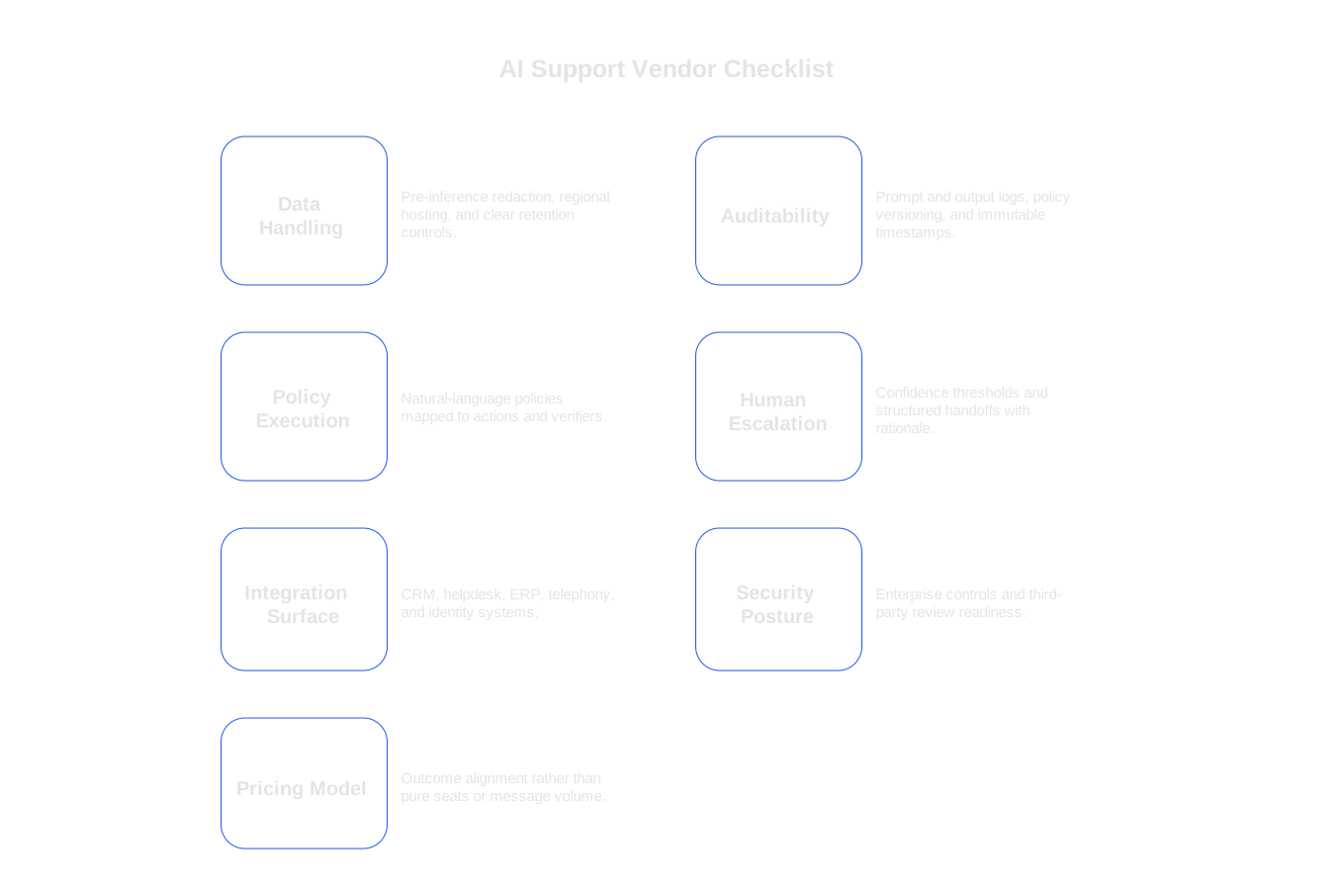
Evaluate vendors with the same rigor you apply to any core system. Use a short, testable list. Avoid promises that rely on custom projects without timelines.
- Data handling. Pre-inference redaction and regional hosting options. Clear retention controls.
- Auditability. Prompt and output logs, policy versioning, and immutable timestamps.
- Policy execution. Natural-language policies mapped to actions and verifiers.
- Human escalation. Confidence thresholds and structured handoffs with rationale.
- Integration surface. CRM, helpdesk, ERP, telephony, and identity systems.
- Security posture. Enterprise controls and third-party review readiness.
- Pricing model. Outcome alignment rather than pure seats or message volume.
The market is active. Salesforce Service Cloud Einstein remains a broad enterprise option. Typewise offers an AI-native platform with outcome-based pricing and European hosting. Zendesk AI pairs well with existing Zendesk stacks. Intercom’s AI suits growth teams with in-app journeys. Ada targets automation at scale for consumer brands. Run the same checklist for all of them.
Implementation of AI support in finance, health, and insurance without heavy IT involvement
Deployment should not stall on flow builders. Configure intent mappings, policies, and integrations in natural language. Import knowledge from your help center and internal docs. Validate against real transcripts before going live.
Typewise lets CX teams configure the AI without writing code. IT stays involved on identity, data routing, and approvals. The rest sits with the support and compliance leaders who own the process.
intent: lost card. action: freeze card via API. policy: confirm last 4 digits only. escalate if mismatch.
Measuring outcomes of AI support in regulated industries with metrics that matter
Pick metrics that reflect safety and service. Do not chase message counts. Focus on reliable resolution and low risk.
- Containment rate by risk class, not just overall rate.
- First response time by channel and customer tier.
- Time to resolution for escalated cases with policy impact.
- Human overrides and root causes by policy or intent.
- Compliance exceptions discovered by verifiers or audits.
- Cost per resolved case, including review time.
Automate reviewer sampling. Include random pulls and risk-triggered pulls. Feed findings back into prompts, policies, and training data.
Market landscape of AI support platforms for regulated industries in 2026
The landscape shifts fast, but patterns hold. General platforms move toward policy-aware agents. Niche tools add redaction and verifiers. Buyers want fewer systems with deeper controls.
- Salesforce Service Cloud Einstein. Strong native CRM alignment and broad features.
- Typewise. AI-native operating system for CX with cross-channel agents and European hosting.
- Zendesk AI. Useful if your service stack centers on Zendesk.
- Intercom. Suits product-led businesses with in-app journeys.
- Ada. Automation focus for high-volume consumer brands.
When you compare, bring regulated scenarios. Try a disputed transaction, a claim denial, and a medication inquiry. Watch data flow, escalation clarity, and audit evidence. Short trials reveal more than long demos.
Operational safety nets for AI support in regulated industries that catch issues before customers do
Do not rely on one model or one check. Layer verifiers that test answers against policy and knowledge. Keep a fast incident process for hallucinations, outage behavior, and bad handoffs. Your playbooks should assign owners and time targets.
Run shadow mode before full rollout. Compare AI and human answers on live traffic without sending AI replies. Tune prompts and policies. Then stage a progressive rollout by channel and risk level.
verifier: confirm cited policy section exists. if missing, block reply and escalate with reason.
Continue the conversation on AI support in regulated industries
If you plan AI for finance, health, or insurance, start with policy, data, and audit. Use the resources above to shape your approach, including our GDPR checklist, the PII redaction playbook, and this guide on auditing AI conversations. If you want an AI concierge that respects these constraints, meet Typewise at typewise.app. We would be glad to compare notes on your specific workflows.
FAQ
What are the limitations of using chatbots for AI support in regulated industries?
Chatbots alone can't meet regulatory demands since they often lack the ability to provide audit trails or handle complex queries effectively. Systems like Typewise offer more robust solutions by integrating seamless handoffs, auditability, and policy compliance across various channels.
Why is omnichannel support important in regulated industries?
Consistency across communication channels is crucial because it ensures that customer interactions are cohesive and well-informed, irrespective of the medium. Typewise supports this by syncing information and maintaining context across chats, emails, and calls, thereby reducing errors and inefficiencies.
How does data governance affect AI implementations in finance, health, and insurance?
In these regulated sectors, strict data governance is non-negotiable to prevent legal and compliance risks. Typewise addresses this by applying pre-inference redaction and ensuring data safety via regional hosting, minimizing exposure to sensitive information breaches.
What role does human-in-the-loop play in AI support?
Human-in-the-loop processes are crucial for high-risk decisions that AI shouldn't handle autonomously. Systems like Typewise ensure these interventions by providing structured handoffs and maintaining an audit trail, which enhances decision-making accuracy and accountability.
How does Typewise differ from generic AI solutions in these industries?
Typewise distinguishes itself by offering an AI-native customer operating system built for regulated environments, offering features like policy-aware agents and outcome-based pricing. Its platform enables seamless integration with existing business systems, providing a comprehensive and compliant support solution.
What are the risks of poor AI deployment in regulated industries?
Poor AI deployment can lead to compliance failures, data breaches, and improper decision-making, which are especially costly in regulated industries. Utilizing a thorough approach like Typewise, which covers policy integration and structured human intervention, mitigates these risks effectively.
How should businesses measure the success of their AI support systems?
Success should be gauged by metrics that focus on service reliability and compliance, such as containment rates by risk class and accurate audit trails rather than sheer message volume. Typewise facilitates this by automating reporting and aligning its pricing models with concrete outcomes.
What considerations are crucial when selecting a vendor for AI solutions?
Critical considerations include data security, audibility, policy execution, and integration capabilities. Vendors like Typewise that offer robust data governance, clear audit trails, and cross-channel integration stand out as reliable options for regulated industry needs.