
95%
85%+
65%
An AI-first customer experience across three brands
Lehner moved its written customer communication from fragmented tools to a single, AI-first customer experience platform. Email, chat and WhatsApp are now orchestrated centrally across three brands (Lehner, Bettwaesche.ch and Vedia.ch) for more than 40,000 tickets a year. The first AI agents went live in just five weeks. Today they resolve 95% of chat requests, reach over 85% CSAT in AI-assisted chat, and cover roughly 65% of written contact volume after three months. In email, response time fell from an average of 48 hours to about five minutes for tickets handled end to end by AI.
About Lehner
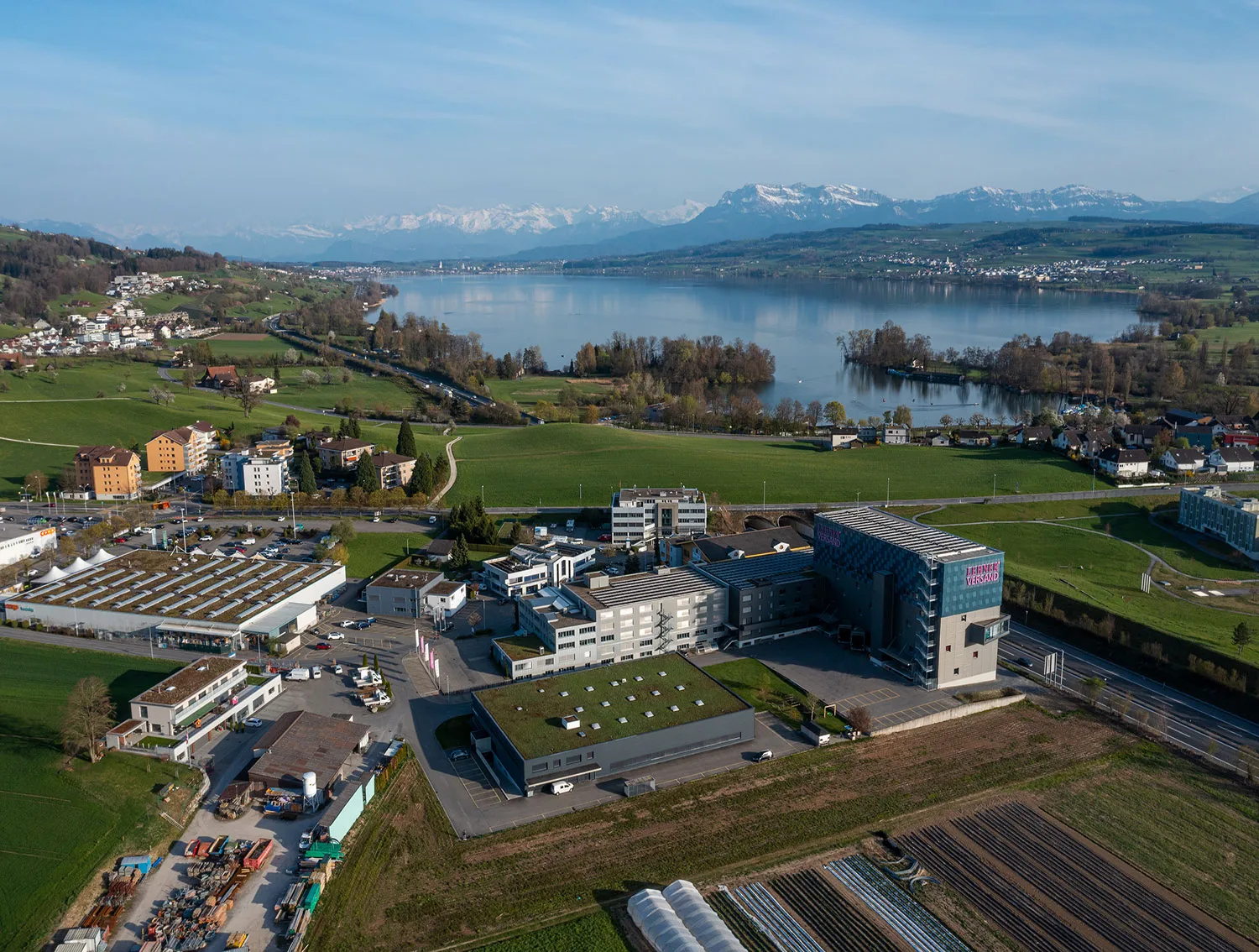
Lehner is a mid-sized Swiss family business active in e-commerce, mail order and its own physical stores. Alongside Lehner, the brands Bettwaesche.ch and Vedia.ch are part of the same service setup. Unlike many competitors, Lehner employs its entire team in Switzerland, and is proud of it. That shows in customer service: Lehner offers support in three languages, reflecting the company's Swissness. This high bar for service quality, reliability and a personal touch is not a nice-to-have but a core brand trait, and therefore a clear requirement for any technology used in customer service. For a small, specialised team looking after three brands, several channels and several email addresses, that means automation can never come at the expense of quality.
The challenge
Before Typewise, written communication at Lehner was spread across several systems. Emails and contact forms were handled directly in Outlook, while live chat ran in a separate tool, and service requests had to be coordinated across three brands. That made conversation histories hard to follow, reduced transparency over volume and performance, and made consistent answers across channels difficult.
For customers, this fragmentation meant longer waits and more friction between channels. In email in particular, the average response time before Typewise was around 48 hours. For an e-commerce company, where many requests concern orders, delivery, availability, cancellations or product advice, this was a key lever for a better customer experience.
“With seven email addresses across three different brands, coordination quickly became complex and hard to keep track of. Conversation histories were difficult to follow, and meaningful reporting or statistics were practically impossible.”
The solution
Lehner chose the Typewise AI Platform and its AI agents. With Typewise, requests are not merely collected but intelligently steered. The platform recognises the intent, pulls in relevant context from connected systems, and decides whether an AI agent can resolve the case autonomously, whether a human agent should take over, or whether a hybrid workflow is needed.
Central to this is smart AI agent orchestration. Email, chat and WhatsApp come together on one platform, and the AI agents differentiate by channel, intent, complexity and risk. Common requests are answered instantly, while more complex cases are routed to the right team. The result is not black-box automation but a controlled interplay of AI and people:
- Smart orchestration routes requests by intent, complexity, risk, channel and brand, so frequent questions get an instant answer and complex cases reach the right team.
- A multi-brand setup runs Lehner, Bettwaesche.ch and Vedia.ch centrally on one platform, with brand-specific communication.
- Email automation handles suitable tickets end to end, cutting response time from 48 hours to minutes.
- Magento webshop and inventory integration lets AI agents give specific, advisory answers instead of generic ones.
- AI-human workflows prepare sensitive or decision-critical actions and hand them to a person at exactly the right moment.
One example is how cancellations are handled. The AI agent qualifies the request, gathers the relevant information and prepares the cancellation. A human agent reviews and approves it. The AI agent then resumes the conversation and updates the customer. This workflow is deliberately hybrid: maximally efficient, but with human control at the right point.
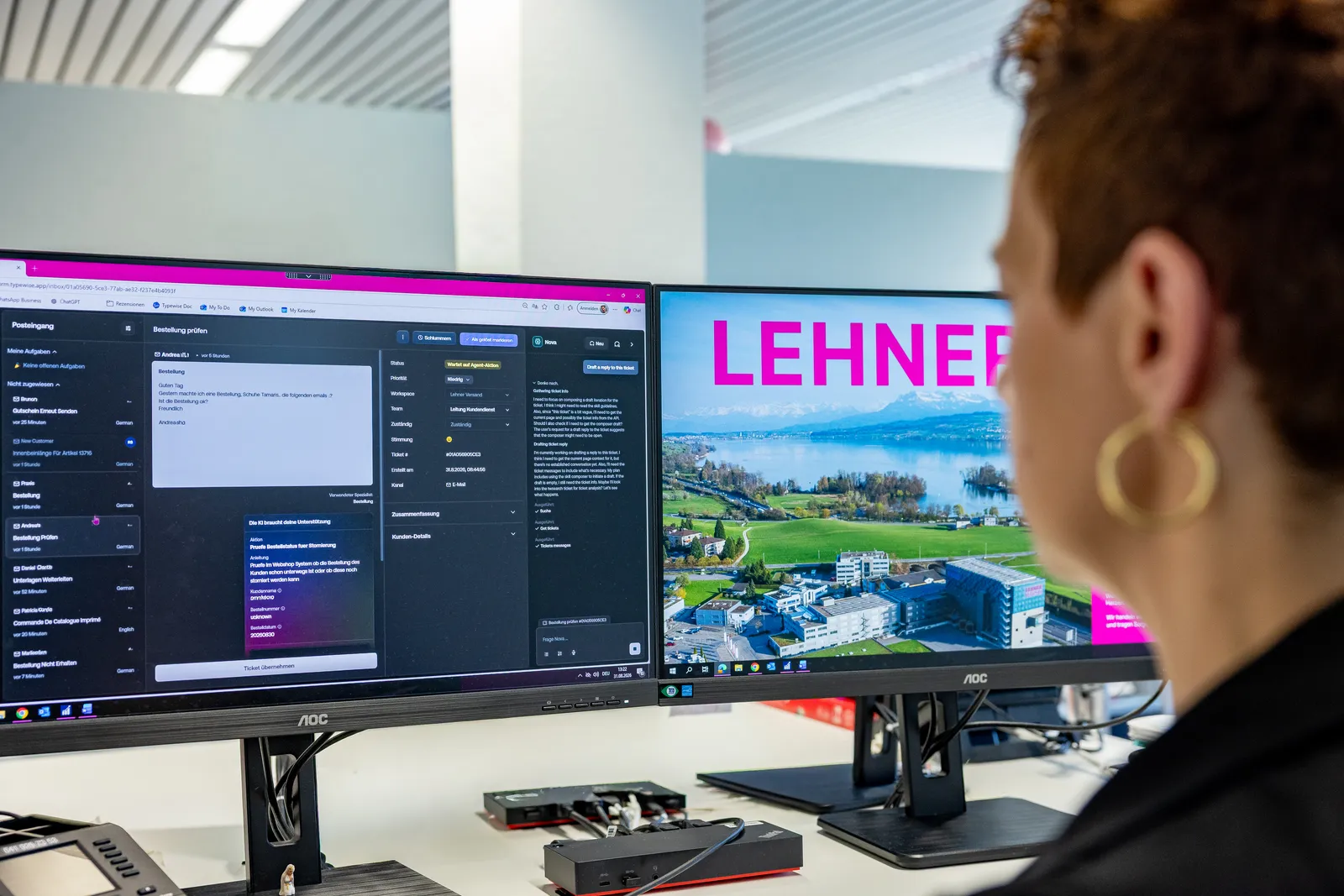
“In Typewise we found exactly the platform we needed to develop our customer experience AI-first. Every request now comes together in one place, AI agents deliver fast, context-aware answers, and our people stay involved wherever experience and approval matter. That lets us give our customers a faster, more consistent and more personal service experience.”
The results
The numbers show how much the customer experience has changed. In chat, the AI agents now resolve 95% of requests, up from above 90% on day one, while reaching 85% CSAT. The service team is noticeably relieved and can focus on personal advice and complex cases. That is the heart of the approach: raise efficiency without losing the personal Swiss service, and apply it where it really counts. In email, response time fell from an average of 48 hours to minutes for tickets handled end to end by AI. The 75% email resolution rate is deliberately set so that employees stay involved on more complex or sensitive requests.
- Time-to-value: live in 5 weeks, from first design and testing to AI agents handling real customer requests in production.
- Email response time: from an average of 48 hours to minutes for AI-handled tickets.
- Chat resolution: above 90% from the start; 95% today.
- Customer satisfaction: over 85% CSAT in AI-assisted chat.
- AI coverage: roughly 65% of written contact volume after three months.
- Channels & brands: email, chat and WhatsApp orchestrated centrally across Lehner, Bettwaesche.ch and Vedia.ch.
- Volume: more than 40,000 tickets per year.
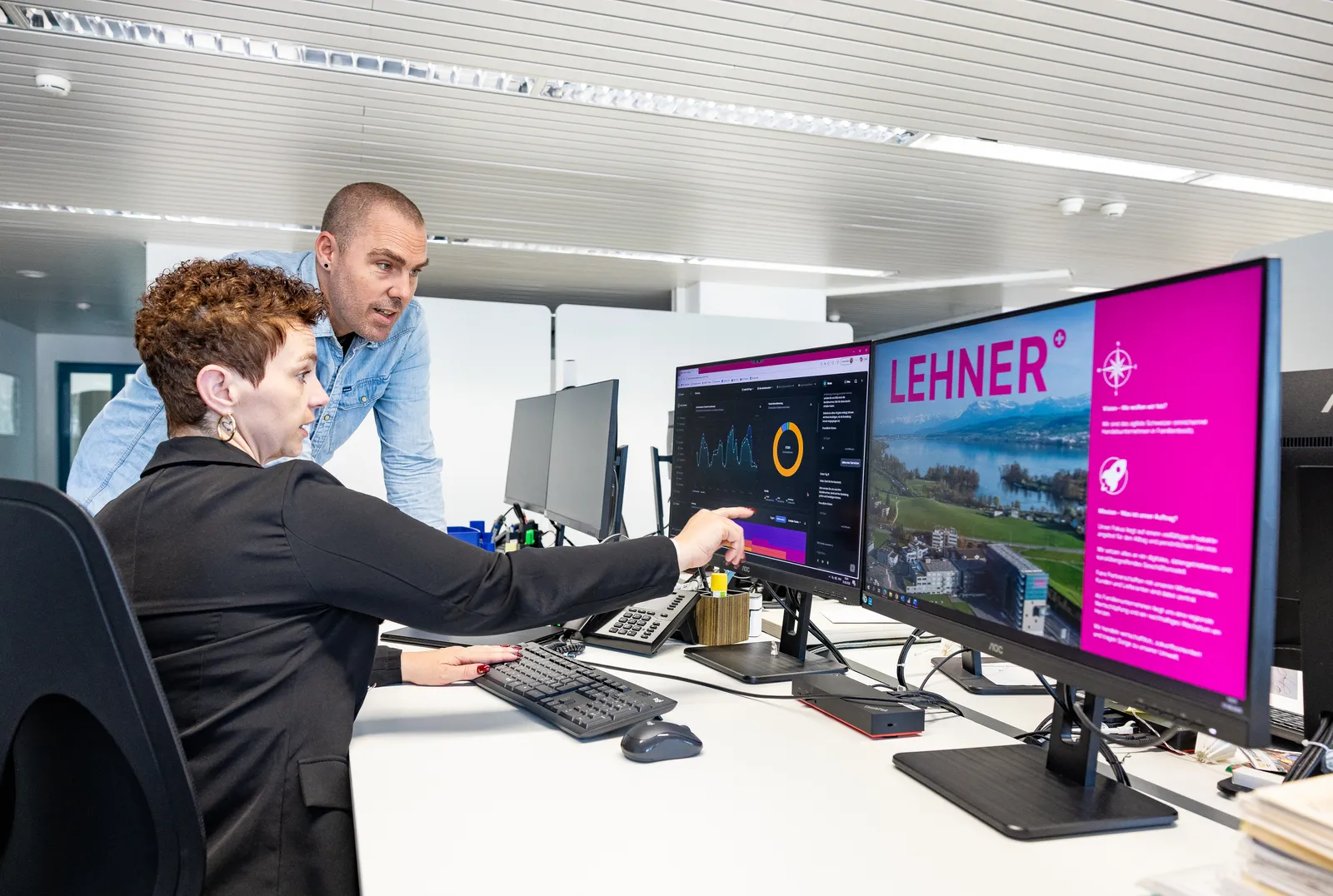
For customers, the result is a best-in-class experience: fast answers, consistent information across every channel, fewer repetitions, and reliable handoffs to a person whenever a request needs human expertise.
Looking forward
Lehner already uses Typewise as its central AI-first platform for written customer experience. The next step is to use the platform even more as an operational ticketing system and to bring human agents fully into the AI-human workflows. The approach stays deliberately pragmatic: AI agents take on recurring, well-structured and data-driven requests end to end, while people stay involved wherever empathy, experience, judgment or approval are decisive.